Most People Can't Vibe Code. Here's How We Fix That
Programming languages weren't designed for human brains. But what if we stopped trying to make people think like computers and started making computers think like people?
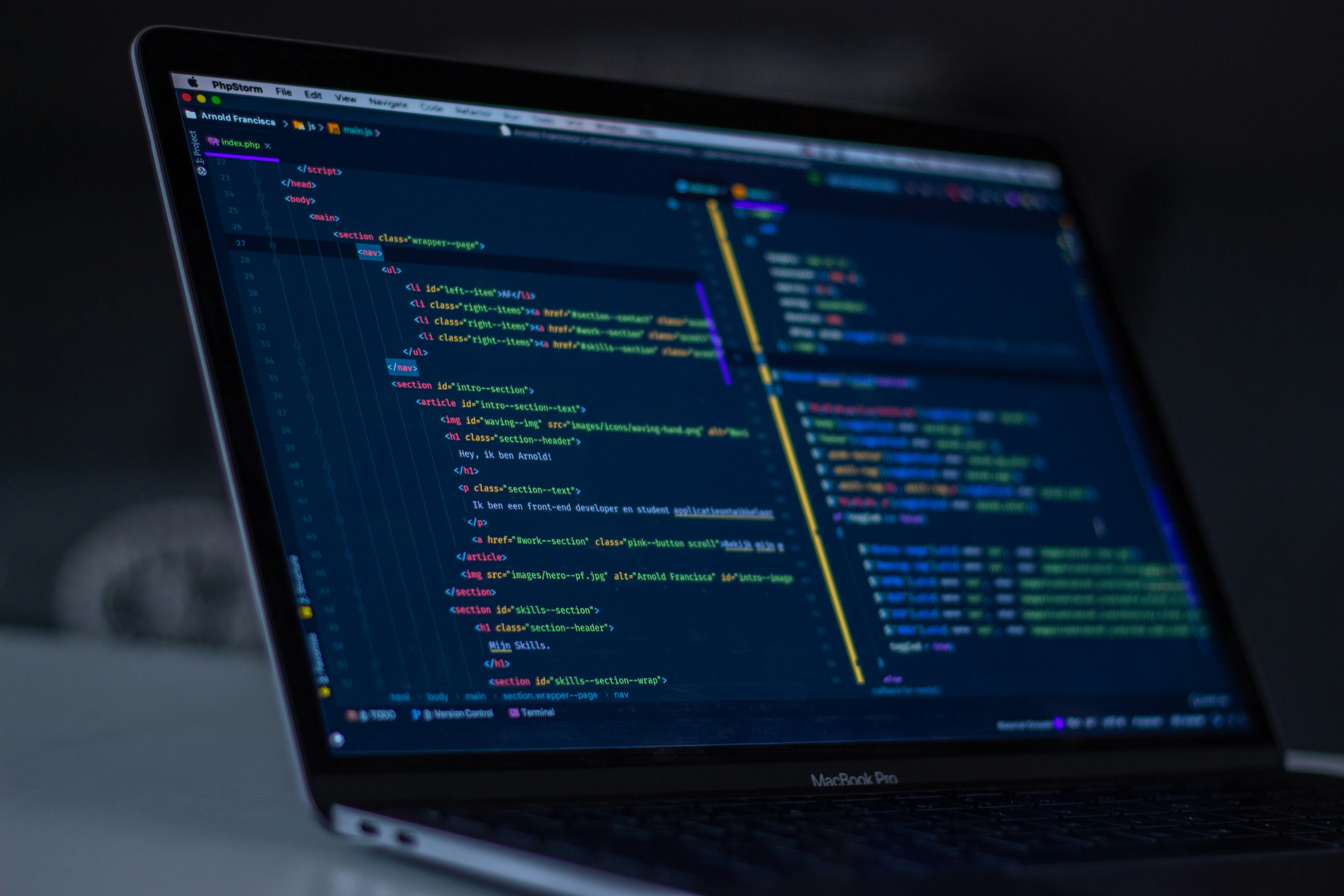
The universal expression of someone encountering code for the first time
I've watched hundreds of smart people bounce off programming like it's made of concrete. Engineers, designers, marketers—brilliant folks who can master complex concepts in their fields but hit a wall the moment they see a semicolon.
Here's the uncomfortable truth: most programming languages are fundamentally hostile to human thinking. We've built this entire industry on tools designed by and for people who already think in abstractions.
The Problem Isn't Intelligence - It's Interface
Let me tell you about Sarah, a product manager I worked with last year. She could dissect user behavior patterns that left our data scientists scratching their heads. But ask her to write a simple if-statement? Instant panic.
"It's like trying to have a conversation in a language where every word has seventeen different meanings, and if you get the punctuation wrong, nothing works." Sarah, describing her first Python tutorial
Sarah isn't wrong. Programming languages evolved from mathematical notation and computer architecture, not from how humans naturally process information. We're asking people to translate their intuitive problem-solving into syntax that feels alien.
73%of people who start coding courses quit within the first month
That statistic should terrify us. We're losing three-quarters of potential programmers before they even get started. And it's not because they're not smart enough—it's because we're teaching them wrong.
The Abstraction Gap
Programming requires you to think on multiple levels simultaneously. You need to understand:
What you want the computer to do (the goal)
How to break that down into logical steps (the algorithm)
How to express those steps in precise syntax (the code)
How the computer will actually execute those instructions (the implementation)
That's like asking someone to write a story while simultaneously thinking about grammar rules, printing press mechanics, and paper manufacturing. No wonder people's brains short-circuit.
What Actually Works: Visual-First Programming
Here's where things get interesting. Some of the most successful "coding" education doesn't look like traditional programming at all.
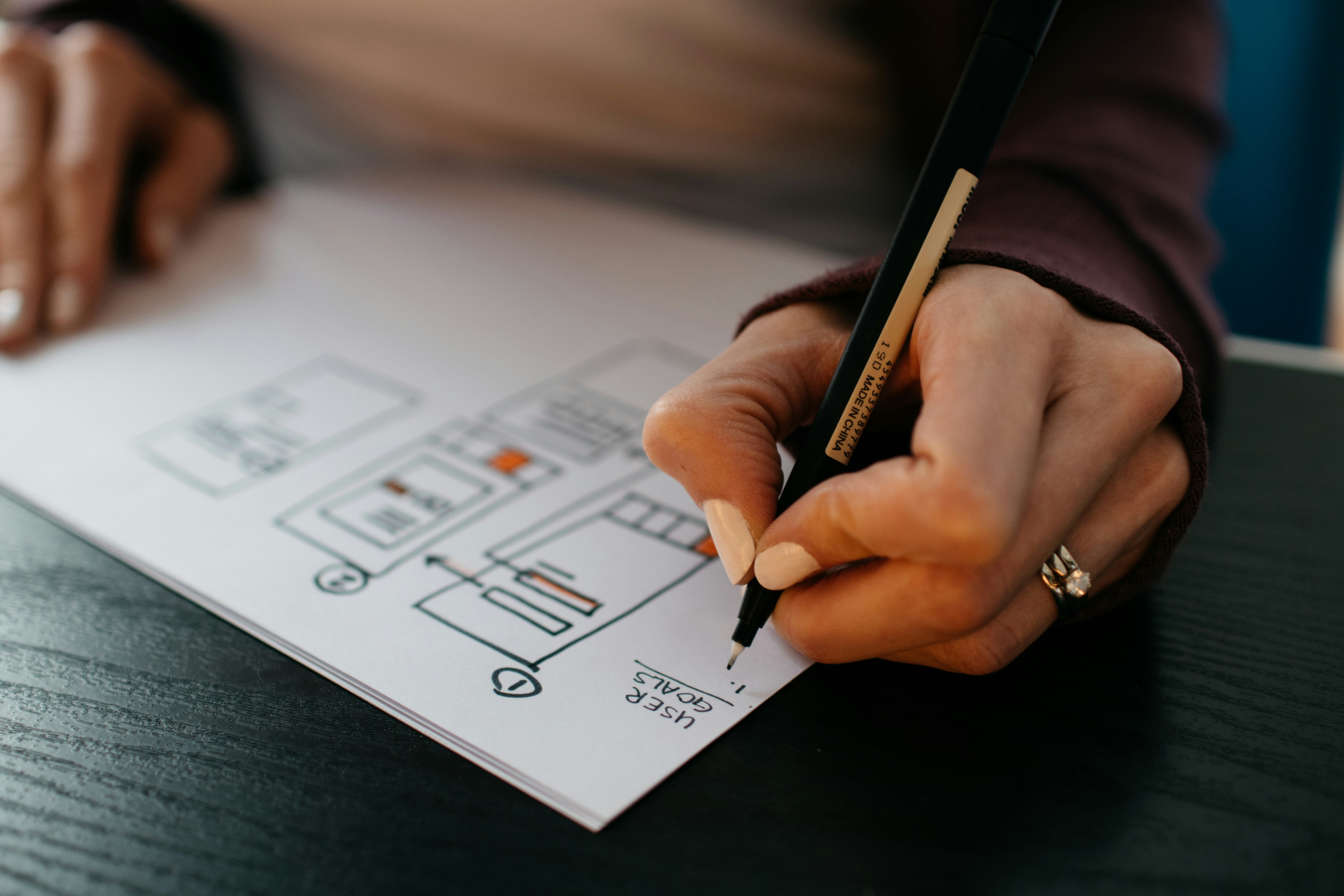
Visual programming languages let people focus on logic instead of syntax
Scratch, MIT's visual programming language, has taught millions of kids to code using colorful blocks instead of text. The concepts are identical to "real" programming—loops, conditionals, variables—but the interface matches how humans naturally think about processes.
Pro Tip: Start with the Why
Before showing anyone a single line of code, show them what the program does. Let them play with the finished product, break it, understand its behavior. Then work backwards to the implementation.
The No-Code Revolution Gets It Right
Zapier, Airtable, Notion—these tools are teaching millions of people to think programmatically without ever calling it "coding." They're solving real problems with logical thinking, conditional statements, and data manipulation.
Traditional CodingNo-Code ToolsWrite syntax firstDefine outcome firstDebug cryptic errorsVisual feedback loopsAbstract conceptsConcrete examplesText-based interfaceVisual/spatial interface
The difference isn't the complexity—it's the cognitive load. No-code tools let people focus on what they want to accomplish instead of how to tell the computer to do it.
Fixing the Fundamentals
So how do we bridge this gap? I think we need a complete rethink of how we introduce programming concepts.
Start with Mental Models, Not Syntax
Before anyone writes their first "Hello World," they should understand that programming is just giving very detailed instructions to a helpful but literal-minded assistant. The computer isn't smart—it's just really good at following directions exactly.
The Recipe Analogy Works
Cooking recipes are programs. They have inputs (ingredients), processes (mixing, heating), conditionals ("if the sauce is too thick, add water"), and outputs (dinner). Everyone gets recipes.
Make Errors Helpful, Not Hostile
Traditional programming languages throw errors like "SyntaxError: unexpected token" at beginners. That's like a GPS saying "You made a navigation error" without telling you where to turn.
Better programming environments should say things like "It looks like you're missing a closing parenthesis on line 5" or "This variable name hasn't been defined yet—did you mean 'username' instead of 'userName'?"
Context Over Complexity
Here's something I've learned from teaching: people learn faster when they're solving problems they actually care about. Don't teach loops with abstract examples—help someone automate their boring work.
"The best way to learn programming is to have a problem you desperately want to solve." Every successful self-taught programmer ever
The Tools That Are Getting It Right
Some companies are already building bridges to make programming more accessible:
Replit removes setup friction with browser-based coding environments
GitHub Copilot translates natural language into code suggestions
Observable makes data science visual and collaborative
Figma taught designers to think in components and logic
156%increase in non-technical people using automation tools in 2026

The future of programming looks more collaborative and visual
The Real Solution: Meet People Where They Are
We don't need to make everyone a software engineer. But we do need to make computational thinking as accessible as spreadsheets became in the 1980s.
Warning: Avoid the Expert Blind Spot
If you're already a programmer, you've forgotten how weird code syntax feels to beginners. What seems "obvious" to you is genuinely alien to most people.
The goal isn't to turn everyone into a coder. It's to give people the tools to automate, analyze, and create without requiring a computer science degree. When we stop making people adapt to our tools and start making tools that adapt to people, that's when programming becomes truly accessible.
Because here's the thing: everyone can vibe code. We just need to stop making it so damn hard to start.